
Insights from the “Pest News Podcast.” First Response Pest Control – Los Angeles Fire
Is there an affect on natural disasters and pest control? Natural disasters leave a devastating mark, not only on the landscape but also on the intricate balance of ecosystems. The recent wildfire in Los Angeles has devastated communities, displacing families and disrupting lives. However, amidst the destruction, an often-overlooked consequence is the mass migration of pests—rodents, insects, and other critters—seeking shelter and sustenance in unaffected areas.
Jeff Rea and John Brocas, hosts of the First Response podcast, delve deep into this issue in their latest episode, highlighting the crucial connection between natural disasters and increased pest activity. This expands on their key insights, explaining why pest displacement is a serious concern and what businesses and homeowners can do to mitigate the risks.
The Immediate Impact of the Los Angeles Fire
The podcast, delves deep into this issue in their latest episode, highlighting the crucial connection between natural disasters and increased pest activity. This article discusses the serious issue of pest displacement and offers advice for businesses and homeowners on how to reduce risks.

The Los Angeles wildfires have brought widespread devastation to scenic neighborhoods like the Palisades, reducing homes to ashes and leaving thousands of residents in distress. Jeff, who once serviced this area, reminisces about its beauty and expresses his sorrow over the disaster:
"This one's really out of hand. It's a doozy. I mean, so many homes. So many people."
While public attention remains focused on the human and economic toll, another crisis unfolds in the shadows—the displacement of pests. As forests and grasslands burn, wildlife, including rodents and insects, is forced to migrate in search of food and shelter. This surge in pest activity can quickly become an overwhelming issue for those in unaffected areas.
Pest Displacement: The Hidden Aftermath of Natural Disasters
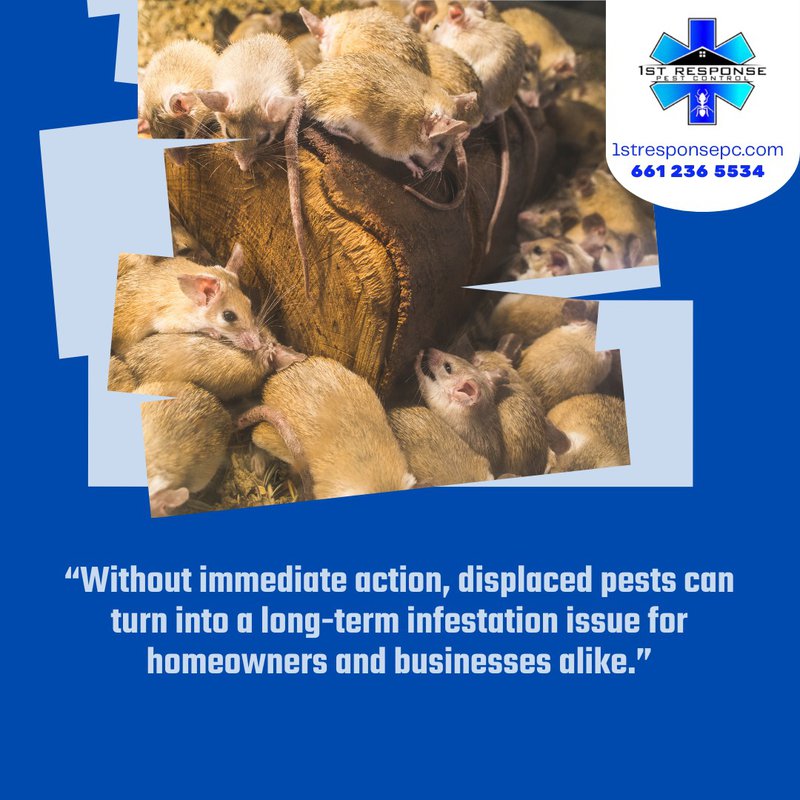
The podcast emphasizes a critical yet under-discussed issue: the migration of pests after natural disasters. Fires, hurricanes, floods, and even earthquakes disrupt ecosystems, compelling insects and rodents to invade homes, restaurants, and businesses.
John highlights this overlooked consequence:
"We don’t think about pest control when it comes to disasters… it does create a potential problem in the pest control world."
These pests, particularly rodents, are instinctively driven to survive. They will move wherever they can find food, warmth, and shelter. Without immediate action, displaced pests can turn into a long-term infestation issue for homeowners and businesses alike.
The Role of Complacency in Pest Infestations

One of the biggest mistakes people make post-disaster is assuming that colder weather means fewer pests. The reality, as Jeff and John point out, is quite the opposite. Displaced pests become more aggressive in their search for resources, exploiting weaknesses in sanitation and home maintenance.
Jeff warns against letting down one's guard:
"Complacency, you know, poor trash management can bring you a slew of pest issues… and even more so when you’ve displaced so much wildlife."
Restaurants, in particular, face a high risk, as increased food waste during recovery periods creates a breeding ground for pests. Similarly, homes with minor structural damage from disasters can become entry points for rodents and insects.
Argentine Ants: A Case Study in Pest Migration
The Argentine ant colony in California is the largest recorded in the world. Fires and other environmental disruptions disturb their massive underground networks, pushing them into new areas, including residential zones.
John emphasizes the extent of this migration:
"The Argentine ants have the biggest colony in the world in that area. When you think about how those fires… displaced that ecosystem."
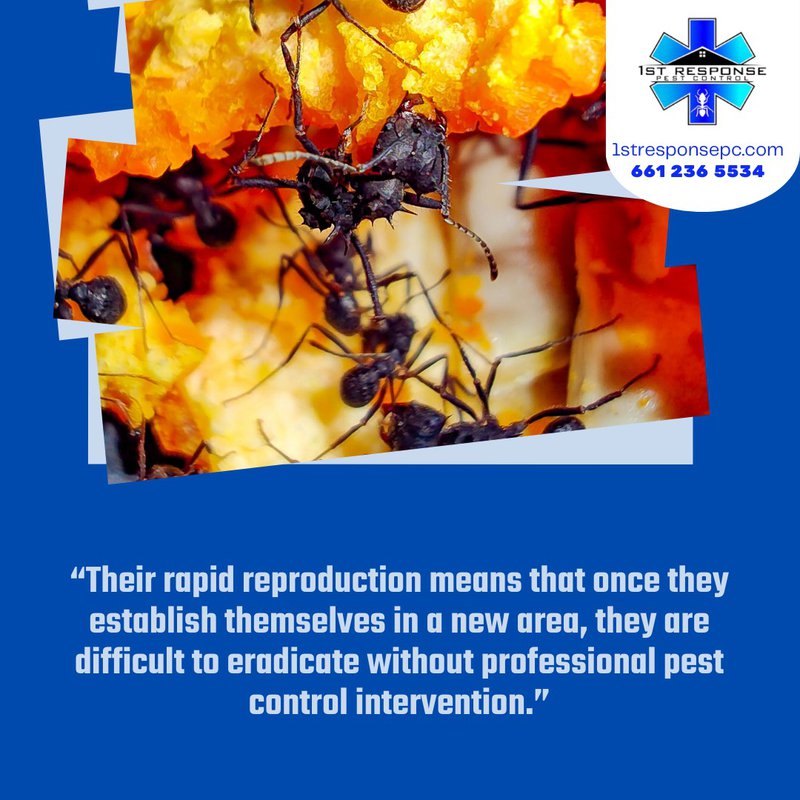
Argentine ants are aggressive invaders, quickly overwhelming kitchens, pantries, and garbage bins. Their rapid reproduction means that once they establish themselves in a new area, they are difficult to eradicate without professional pest control intervention.
Recognizing the Signs of an Impending Pest Problem
Jeff and John stress that being proactive is key to preventing an infestation. Some early warning signs include:
- Unusual noises at night: Scratching or scurrying sounds in walls or attics may indicate rodent activity.
- Increased insect sightings: More frequent encounters with ants, cockroaches, or wasps suggest a growing problem.
- Gnaw marks and droppings: Evidence of chewed wires, food packaging, or furniture points to rodent intrusion.
- Structural vulnerabilities: Gaps under doors, cracks in walls, and broken window seals provide easy access for pests.
Jeff urges listeners to remain vigilant:
"You’re gonna notice things… ants, rodents… insects… movement increases dramatically post-disaster."
Hornets, Bees, and Stinging Insects: An Overlooked Threat

Beyond rodents and ants, stinging insects like hornets, bees, and wasps also pose an increasing risk after wildfires. Destroyed nests force them to relocate, sometimes settling in attics, garages, or within walls.
Jeff explains this seasonal shift:
"Wasp nests… here we go! It’s earlier than expected but warmer midday temps trigger activity."
Unlike rodents, which primarily seek shelter, hornets and wasps can become highly aggressive, especially when disturbed. Immediate pest control measures should be taken at the first sign of their presence.
Simple Preventive Measures That Can Make a Difference

Jeff and John emphasize that preventing infestations is far easier than dealing with full-blown pest problems. Some practical steps include:
- Sealing entry points – Check for cracks, gaps, and holes in walls, doors, and windows.
- Proper waste disposal – Ensure trash is sealed and disposed of regularly.
- Routine pest inspections – Schedule professional assessments to detect issues early.
- Maintaining cleanliness – Regular cleaning reduces the likelihood of attracting pests.
John reminds listeners:
"What’s the harm… start early… preventative pest control can save headaches."
First Response Pest Control: Special Plans for Proactive Protection
In response to the anticipated increase in pest activity, First Response Pest Control is offering flexible subscription plans at discounted rates for new customers. These plans range from 3-month seasonal coverage to extended 18-month protection.
John highlights this initiative:
"We want you guys to be more vigilant because there’s a lot of pests that are gonna be displaced… discounted rate for new customers."
Preventative care is always more cost-effective than emergency treatments, making these plans a wise investment for homeowners and businesses alike.
Staying Ahead of the Pest Migration Wave
The aftermath of natural disasters extends far beyond the initial damage, with pest displacement being a critical concern for residents and business owners. Jeff and John’s discussion in the First Response – Los Angeles Fire podcast highlights the importance of early action in preventing infestations.
By recognizing the signs of increased pest activity, maintaining preventive measures, and engaging professional pest control services, communities can effectively manage this hidden crisis. The goal is to stay proactive, not reactive, ensuring that these uninvited guests do not become long-term residents.
For a deeper understanding of how natural disasters affect pest populations and what you can do to protect your property, listen to the First Response – Los Angeles Fire podcast. Visit First Response Pest Control at 1stresponsepc.com and take the first step in safeguarding your home against post-disaster pest invasions.