
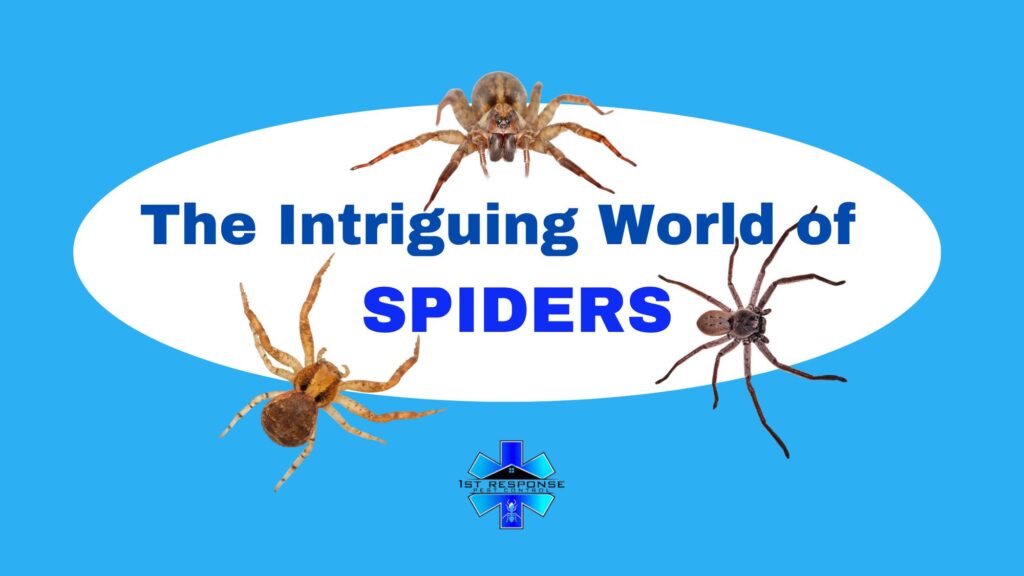
At 1st Response Pest Control we are aware how Spiders are often seen as creatures of terror, but they are also fascinating and vital to our ecosystems. In the latest episode of 1st Response's Spider Guide podcast, hosts John Brocas and Jeff Rea explore the complex world of spiders, addressing myths, infestations, and practical tips for homeowners. Whether you fear them or find them fascinating, there's much to learn about these eight-legged creatures and how to manage them effectively. This spider guide will help you understand these pests.
Spider Guide Must Know: Behavior and Lifecycle
Carried by Wind: How Young Spiders Travel

One of the most intriguing behaviors discussed in this spider guide and on the episode is the way young spiders travel. Known as "ballooning," young spiders release silk into the wind, allowing them to glide over long distances. This technique enables spiders to spread far and wide, settling in new locations as they search for prey and shelter.
Spider Egg Sacs: What to Look For
Spider eggs are often hidden in sacs, which can be difficult to spot but are critical to controlling infestations. Jeff and John explain that a spider’s egg sac is typically smooth, round, and about the size of a golf ball. These sacs are filled with spiderlings waiting to hatch and disperse. Spotting these sacs early can prevent an explosion in the spider population, especially in homes where they may be less welcome.
Motherly Care: Young Spiders Clinging to Their Mothers
Newly hatched spiders often cling to their mothers before spreading out to begin building webs of their own. This attachment is a short-lived but critical phase of their lifecycle, during which they stay close to their egg sac or mother for protection and food. Recognizing these early stages can help homeowners better understand when and where an infestation might start to take root.
Common Spider Guide Myths and Misconceptions
Busting Spider Myths: Seasonal Activity
A common myth about spiders is that they invade homes during the winter to seek warmth. However, John and Jeff clarify that spiders are more likely to enter homes during the summer months. In places like California, spiders may come indoors to escape extreme heat, rather than cold. This understanding can help homeowners focus their efforts on the right time of year for pest control.
Spider Bites: Reality vs. Fear
While the fear of spiders is widespread, actual spider bites are relatively rare. Most spiders are non-aggressive and will not bite unless provoked or threatened. Even in cases where bites do occur, such as from the infamous black widow, bites are not necessarily lethal. For adults, symptoms may include flu-like conditions such as fatigue and itching, but they are rarely dangerous unless an allergic reaction occurs. The danger is higher for children, who are more vulnerable to the neurotoxic venom of certain species like black widows. This is why regular inspections, especially in play areas, are crucial for families with young children.
The Spider Guide to Preventing Spider Infestations: Practical Steps
Clutter Attracts Spiders

Spiders are often drawn to cluttered spaces, both inside and outside the home. Jeff and John stress the importance of keeping homes and yards tidy to minimize spider habitats. Piles of old furniture, wood, or debris against the side of a house can create the perfect environment for spiders to thrive. Regular cleaning and decluttering are essential steps for preventing infestations.
Proactive Spider Control: An Ongoing Process

Many homeowners make the mistake of thinking that pest control is a one-time fix. However, effective spider control is an ongoing process. Regular treatments, combined with vigilant cleaning and inspections, are crucial for keeping spiders at bay. John and Jeff encourage homeowners to stay proactive, particularly in the summer when spiders are most active. One of the best tips they give in this spider guide episode is keeping webs down and maintaining a regular pest control schedule helps prevent spiders from setting up permanent residences in your home.
Spider Detection Tips and Maintenance
A simple tip for spotting spiders or their webs is to use a broom to brush away webs as soon as they appear. This prevents spiders from settling and expanding their territory. For more serious infestations, a white towel or T-shirt placed in suspected areas can help detect fleas, spiders, or other pests. By regularly inspecting your home and staying on top of these small signs, you can manage infestations before they become a bigger problem.
Dangerous Spiders: What to Watch Out For
The Black Widow: A Threat to Children
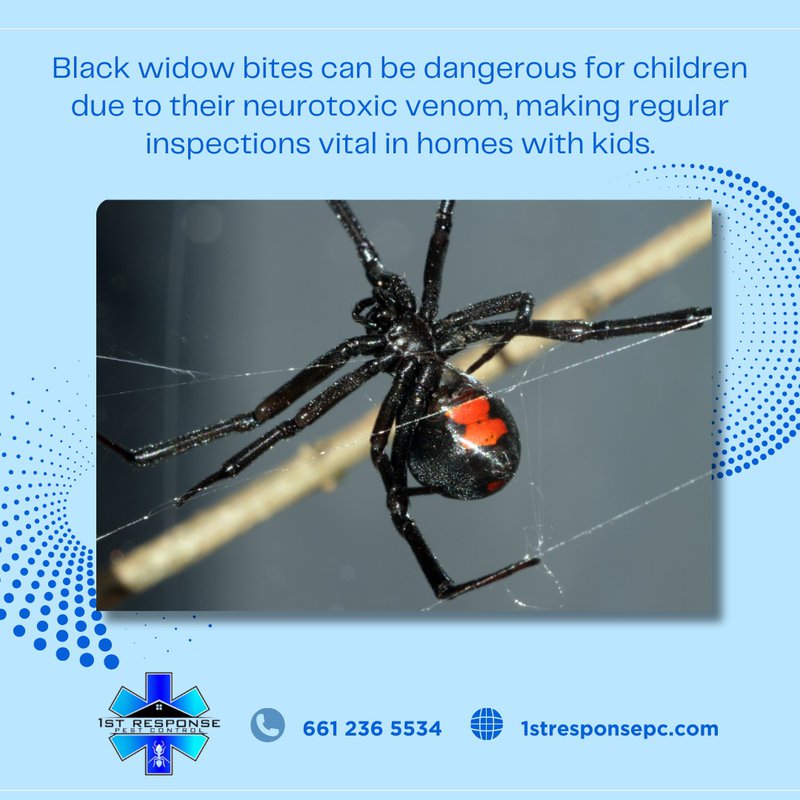
Of all the spiders discussed, the black widow is one of the most feared. While bites are rarely fatal to adults, they can be dangerous for children due to their smaller body size and vulnerability to neurotoxic venom. Black widows are easily identifiable by their shiny black bodies and distinctive red hourglass marking on their abdomen. These spiders tend to hide in rock beds, wood piles, or dark corners of garages and basements, where they build their webs.
Spider Egg Sacs: A Critical Sign of Infestation
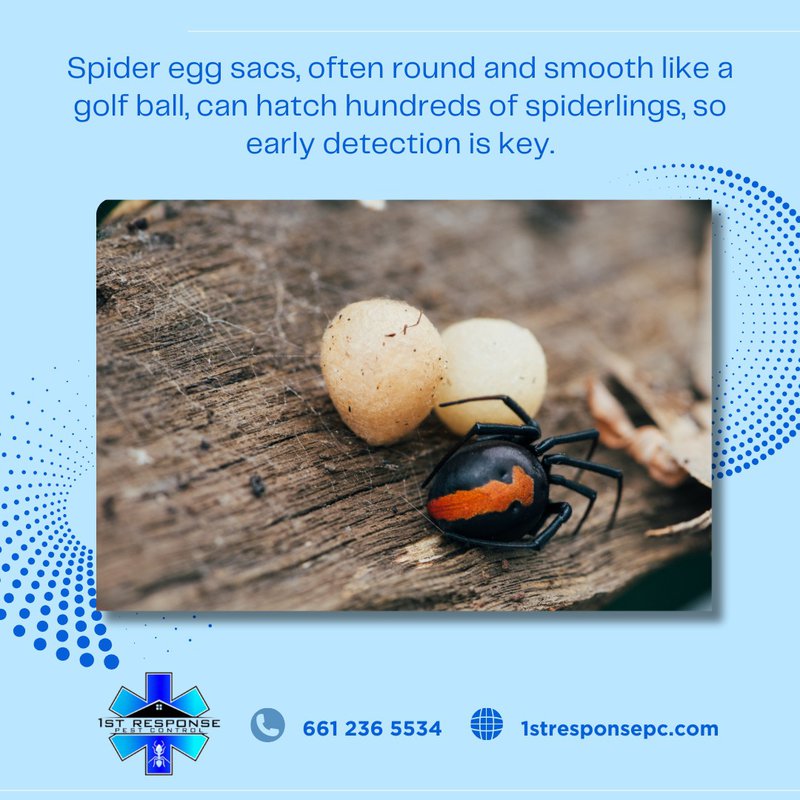
One key sign of an impending spider infestation is the appearance of spider egg sacs. For black widows and brown widows, these sacs are smooth, round, and typically guarded by the mother spider. A single egg sac can contain hundreds of spiderlings, which spread out and establish webs around your home. Catching and removing these sacs early is a key step in preventing a large-scale infestation.
Exotic Spiders: The Dangers of Imported Goods
Spiders don’t always come from your local area. Exotic species can hitch rides on imported produce or second-hand items, entering homes through grocery bags or used appliances. This can be especially dangerous if venomous spiders, such as the Brazilian wandering spider or brown recluse, find their way into your home. John warns that even though California does not have native brown recluse spiders, it’s possible for them to migrate from other states or be introduced through travel or imports.
Collaborative Pest Control: Working Together for Effective Solutions
The Role of Homeowners in Pest Control

Effective pest control is not just about hiring a professional – it's a collaborative effort between the homeowner and pest control expert. Jeff and John emphasize the importance of homeowners maintaining clean, organized spaces and regularly inspecting their properties for signs of pests. By working together, pest control can be more efficient, leading to fewer infestations and a safer home environment.
Environmental Considerations in Pest Control
In California, strict environmental regulations govern pest control practices. Jeff discusses the importance of maintaining ecological balance, ensuring that pest control methods do not harm the environment while still effectively managing spider populations. Understanding the balance between control and environmental safety is key to sustainable pest management.
Real-Life Examples: Lessons from the Field
Jeff Rea’s Experience with Severe Spider Infestations
Jeff recalls a particularly challenging case in which he dealt with a house that had been vacant for two years and was overrun with spiders. Various species, including black widows and wolf spiders, had made the home their own, weaving webs across nearly every surface. Using specialized fogging machines, Jeff and his team were able to knock down the spider population, allowing the homeowner to reclaim the property. This story serves as a stark reminder of how quickly spiders can take over when a property is left unchecked.
Cluttered Homes: A Breeding Ground for Dangerous Pests
In another case, John recounts a man who suffered severe health and financial consequences after being bitten by a brown recluse spider in his cluttered home. The clutter provided ideal hiding spots for the spider, leading to a serious bite that resulted in the man losing his business due to the high medical bills. This story underscores the importance of keeping homes clean and organized, as well as being proactive in pest control to avoid potentially life-altering consequences.
Conclusion: The Importance of Regular Pest Control
Jeff and John leave listeners with a powerful message: regular pest control is not just about keeping your home free from spiders, but about maintaining a safe and healthy environment. Spiders, mosquitoes, and other pests form part of a larger ecosystem that can have significant impacts on your home and family. By staying proactive, cleaning regularly, and working with professionals, homeowners can ensure their properties remain pest-free throughout the year.
Looking Ahead: Business Pest Control Practices
Next on the podcast, Jeff and John will dive into pest control strategies specifically designed for businesses. This upcoming episode will explore the unique challenges commercial properties face and offer practical advice for maintaining pest-free environments in the workplace.
For more insights and professional pest control services, be sure to contact 1st Response Pest Control and follow their ongoing series of informative podcasts.