

As the world grapples with the complexities of modern geopolitical landscapes, understanding how narratives are shaped becomes essential. In this exploration, we delve into how Russian officials craft and influence global perceptions regarding war accusations. This intricate process is as much about storytelling as it is about power dynamics and the strategic dissemination of information. Russia is using this power of story telling in order to pull in its only allies into the war. The lies that are spread have no foundation and the west rebukes the claims, yet finding a way to counter the narrative is not without it’s struggles.
The art of narrative crafting
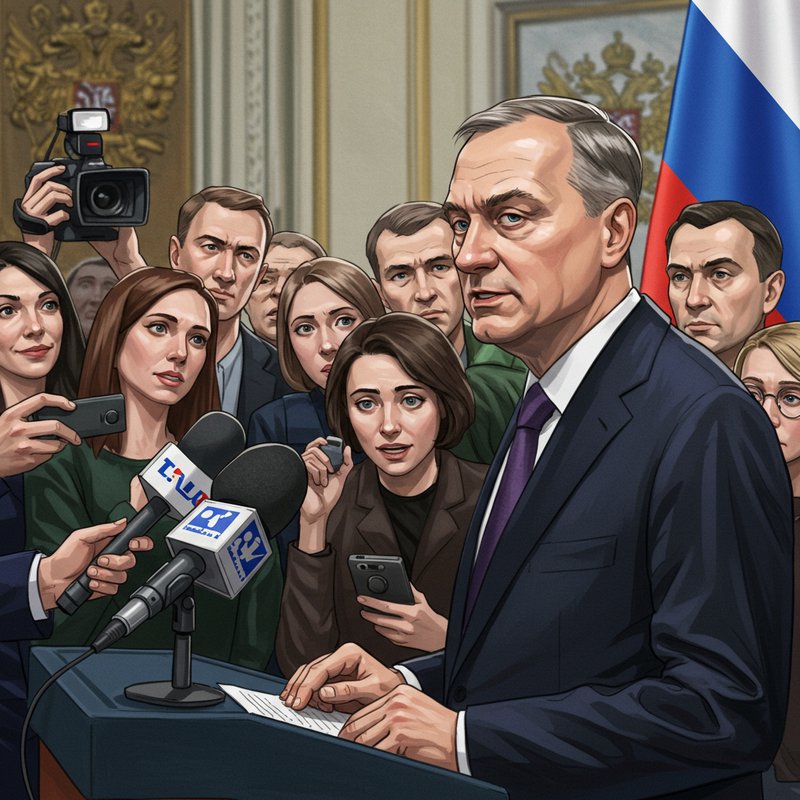
Russian officials have honed the skill of narrative crafting into a sophisticated tool of international influence. However, it is foolish of them to assume that europe or the USA would actually talke them seriously. By carefully constructing messages that resonate with various global audiences, they can strategically mold perceptions. This practice involves selecting certain facts, omitting others, and weaving them into a persuasive story that challenges opposing viewpoints.
Developing a compelling narrative requires a balance of cultural insights and media leverage. Russian narratives often appeal to historical contexts, invoke national pride, and question the motives of foreign governments. This approach not only informs public opinion but also fuels skepticism about the transparency of international bodies and Western media.
Communication channels and media tactics for war accusations
In shaping these narratives, Russian officials utilize a wide array of communication channels and media tactics. State-sponsored media outlets like RT and Sputnik play pivotal roles, broadcasting stories that reflect and reinforce official narratives. These platforms serve dual purposes: informing Russian-speaking populations and reaching global audiences.
- Leveraging social media for broader engagement
- Employing international conferences to present official stances
- Utilizing both traditional and digital media to amplify reach
Furthermore, the rise of digital platforms allows for instantaneous dissemination and engagement, making it easier to challenge counter-narratives effectively.
Counter-narratives and their impact In War Accusations
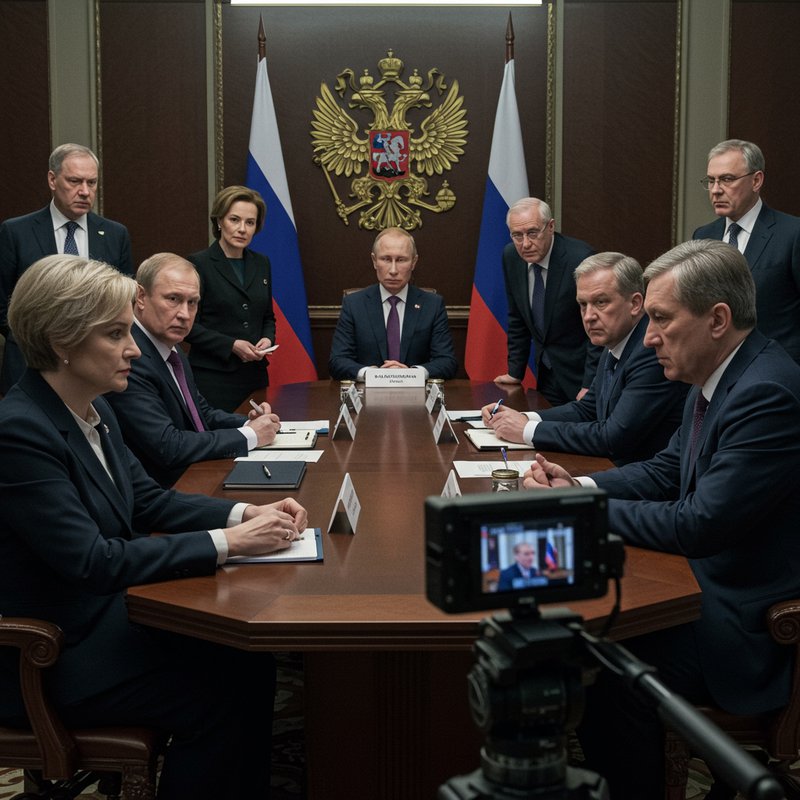
Counter-narratives, however, are not easily silenced. International watchdogs and humanitarian organizations actively work to expose discrepancies between official statements and factual events. These entities strive to offer alternative perspectives, presenting data and testimonies that often contradict official Russian narratives.
"The war of narratives is not just about who speaks louder, but about who speaks more effectively."
The global community's response to Russian narratives can be varied, often depending on geopolitical alliances and media freedom in different countries. The interplay between official narratives and counter-narratives significantly influences how war accusations are perceived worldwide.
A humanitarian perspective
From a humanitarian lens, the crafting and dissemination of narratives bear immense consequences. Understanding these narratives helps us grasp not only the politics at play but also the human lives affected by skewed perceptions. Civil societies, humanitarian organizations, and volunteer groups are crucial in providing insights that remain grounded in humanitarian values, spotlighting the human cost of conflict.
By fostering a more open, spiritually conscious dialogue about the impact of these narratives, Spy Witness News aims to shed light on truths that resonate deeply with global communities. The power of honesty and heartfelt reporting is vital in navigating the intricate web of geopolitical narratives.
Considerations
The narrative strategies employed by Russian officials serve as a testament to the enduring power of storytelling in international relations. As audiences worldwide become more discerning in their media consumption, the persistence of these narratives reveals much about the battle for truth in an era of information warfare. In this context, holding space for alternative news and humanitarian-centered reporting becomes crucial—offering people a balanced perspective shaped by transparency and real word intelligence.
For more insights, visit Spy Witness News and support independent, truth-centered journalism.