
In the serenity of a picturesque beach in North Carolina, an unkempt young man lies down in the damp sand. On this night, the shoreline is his home; the sound of waves is his lullaby. Exposed to the elements, he may not survive to see another sunrise.
For years, Cliff Howard spent his days desperately running from his past. His life spiralled hopelessly to rock bottom and finally, to homelessness. But little did he know, this was just the beginning of his extraordinary transformation. Fast forward six years later, Cliff is a budding entrepreneur and music creator.
It was in the depths of desperation that Cliff stopped running from his demons. In the stillness, he was able to identify and face his trauma. He knew that to find his way forward, he would first have to look back to the roots of his childhood. He needed to explore suppressed emotions and forgotten moments buried under layers of time and denial.
Cliff embarked on a courageous journey to shine a light on his shadows and unearth the forces that shaped him. This introspective journey to the truth would require strength, courage, and compassion for himself. He was going to have to fight for his life. Armed with clarity, he would set out in self-discovery to piece together the script of his life and rise like a phoenix from the ashes of his own story.
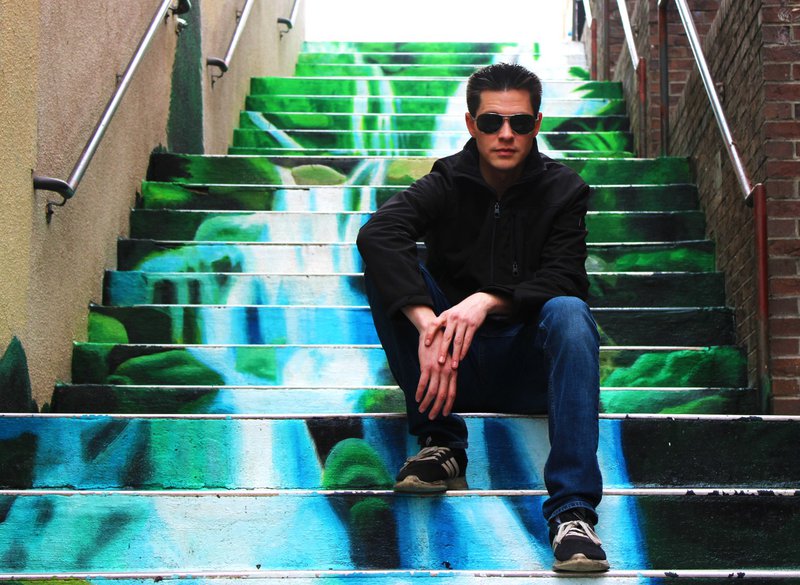
Spy Witness News journalist Mary Kay interviewed Cliff over a Zoom call to learn about his transformation and his business.
Soaring highs to crushing lows
Getting high was once Cliff’s grim daily reality. The relentless grip held him in a suffocating hug. Night after night, he sought refuge on the beach. With each passing day, he ran from the shadows of his past into the arms of the predictable but deceptive illusion. His destiny promised a slow and solitary end, amidst the damp grains of sand, clinging to his needles, his addiction holding him captive.
But how did he get there? His journey to strung out and homeless bore no resemblance to his early life. He wasn’t born to drug addicts or other obvious precursors to this life. The picture of his early life wouldn’t appear to be a predictor of what his life had become.
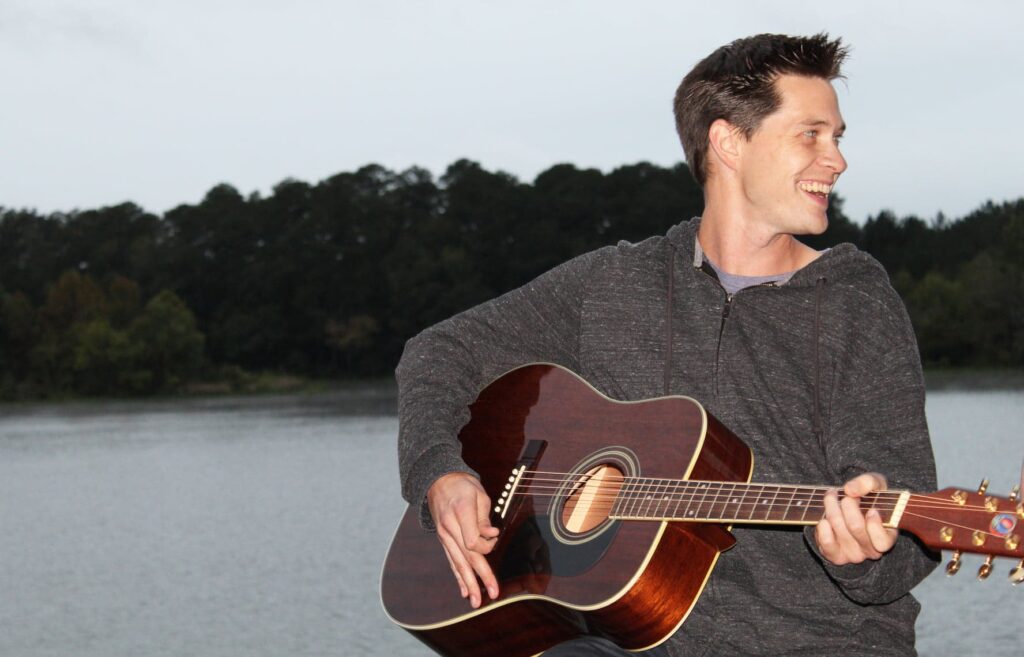
Cliff started playing guitar at age 12. By 14, he had evolved into a songwriter, an early sign of his musical destiny. Channelling his emotions into lyrics helped for a short time while beneath the surface, the shadows lurked. The seeds of rejection sown in his childhood took root and stunted the development of vital coping strategies. It also didn’t help that he kept getting turned down for audio engineering jobs. More rejection and no way to manage it.
The lack of personal growth led Cliff to depression and to seek solace in pain medications, beginning with small amounts to “take the edge off” the turmoil inside. What started as a seemingly effective coping mechanism soon opened the gateway to addiction.
Cliff looks at the camera and explains that the transition from painkillers to the more accessible heroin was an economic no-brainer. Heroin was much cheaper than painkillers. At first, he found temporary comfort in the fact that he was merely snorting it and not shooting it into his veins. That soon changed as he descended into intravenous use.

Leading a double life, he kept his addiction a secret from even his closest friends.
“Addictions represent, in their onset, the defenses of an organism against suffering; it does not know how to endure.” – Dr. Gabor Mate, The Myth of Normal
At age 31, he was diagnosed with diabetes but had no desire to take care of his health. Neglecting proper medical care, his condition brought severe symptoms including visual challenges and disorienting hallucinations. With a long-expired driver’s license that he ignored for over a year, Cliff found himself behind the wheel. That day, as his sugar levels skyrocketed, he suddenly realized that he could no longer drive.
He shifted his car into “Park” and stumbled out onto the dirt. Spotting a water spigot a short distance away, he started a desperate crawl towards it. He mustered the strength to turn the spigot. But nothing happened. No water. Silence.
Then, Cliff cried out for help for the first time in his life.
Nowhere to run
The next thing he knew, Cliff woke up in the back of an ambulance with a uniformed man looming over him, interrogating him about what substances were coursing through his veins. He struggled to explain the truth – that he wasn’t overdosing but rather, experiencing a dire diabetic episode and in need of lifesaving insulin. Yet, his pleas fell on deaf ears. The emergency medical services worker in the grip of his own assumptions, refused to listen to him.
As the ambulance sped towards the hospital, Cliff’s world continued to blur. At one point, he saw a vision of a container, propped up in the corner of the ambulance, brimming with human bones.
Waking up in a hospital bed, he overheard voices nearby and knew that if they began to treat him for an overdose rather than his diabetic condition, it could have serious consequences. Terrified for his life, Cliff gathered his strength and bolted out of the hospital, his gown flapping as he ran down the hallway. He dove into the bushes outside the front entrance.
The revelation
A few minutes later, hospital staff arrived at the bushes with a wheelchair. In that instant, Cliff understood that this was the end of escaping his own history. The endless running had brought him to this place, a place where he could stand still, face his past, and begin to heal.
From the depths of his addiction, Cliff was forced to remain clean for a week in the hospital. Upon his release, the urge returned and he spent hours in pursuit of heroin. Just a small amount, he told himself, as he prepped his veins for the injection. Barely an effect, he felt the gravity of this decision. “I can’t believe I’ve thrown my life away for this.”
That was the last time Cliff used heroin and that memory became the inspiration to write his first song after years of addiction, “At The Edge.”
Five years later, visiting his girlfriend, Cliff found himself standing on that same beach, this time in peace and strength and thinking to himself, “You’re fine now.”
From consumption to creation
Cliff now runs his own creative music business, Elevate Music Production. He is a sought-after vocalist and music producer who creates innovative compositions for businesses and provides audio engineering services.

Through his healing journey, he traced his stunted growth and lack of accountability back to his childhood need for acceptance. With this newfound clarity, he was able to use his past to move him forward into a bright future. Digging for the roots of his hardships, Cliff realized that his past led him back to where he started, back to music.
He harnessed his power to create beauty out of chaos, swapping consumption for creation. He even started gardening, his past serving as fertilizer, nurturing plants as well as his own spirit. And that’s not all: Cliff and his girlfriend, now fiancé, are looking forward to getting married.
When asked about what message he would give to anyone currently struggling with addiction, Cliff says, “You can’t solve a problem just by chopping off branches; you have to start at the roots.” He encourages everyone to explore and heal from their trauma and from the things that they’re running from.
In the end, Cliff’s story is a reminder that within all of us is the potential for greatness, waiting to be awakened regardless of our beginnings. The sky is the limit. Stop and listen to the whispers in your heart. What adventure is calling YOU?
If you’re struggling with addiction or mental health, please seek the advice of a medical doctor or other licensed professional.